
Selecting a seam inspection system is rarely as straightforward as it may seem. With multiple configurations, measurement methods, and workflow considerations, asking the right questions early will lead to a better fit for your canning operation.
This is where this blog series comes into play. Over the next several posts, we will walk you through key categories of questions you should ask when evaluating a seam inspection system. In addition, answers will be provided to those questions in relation to OneVision’s seam inspection solutions as a point of reference.
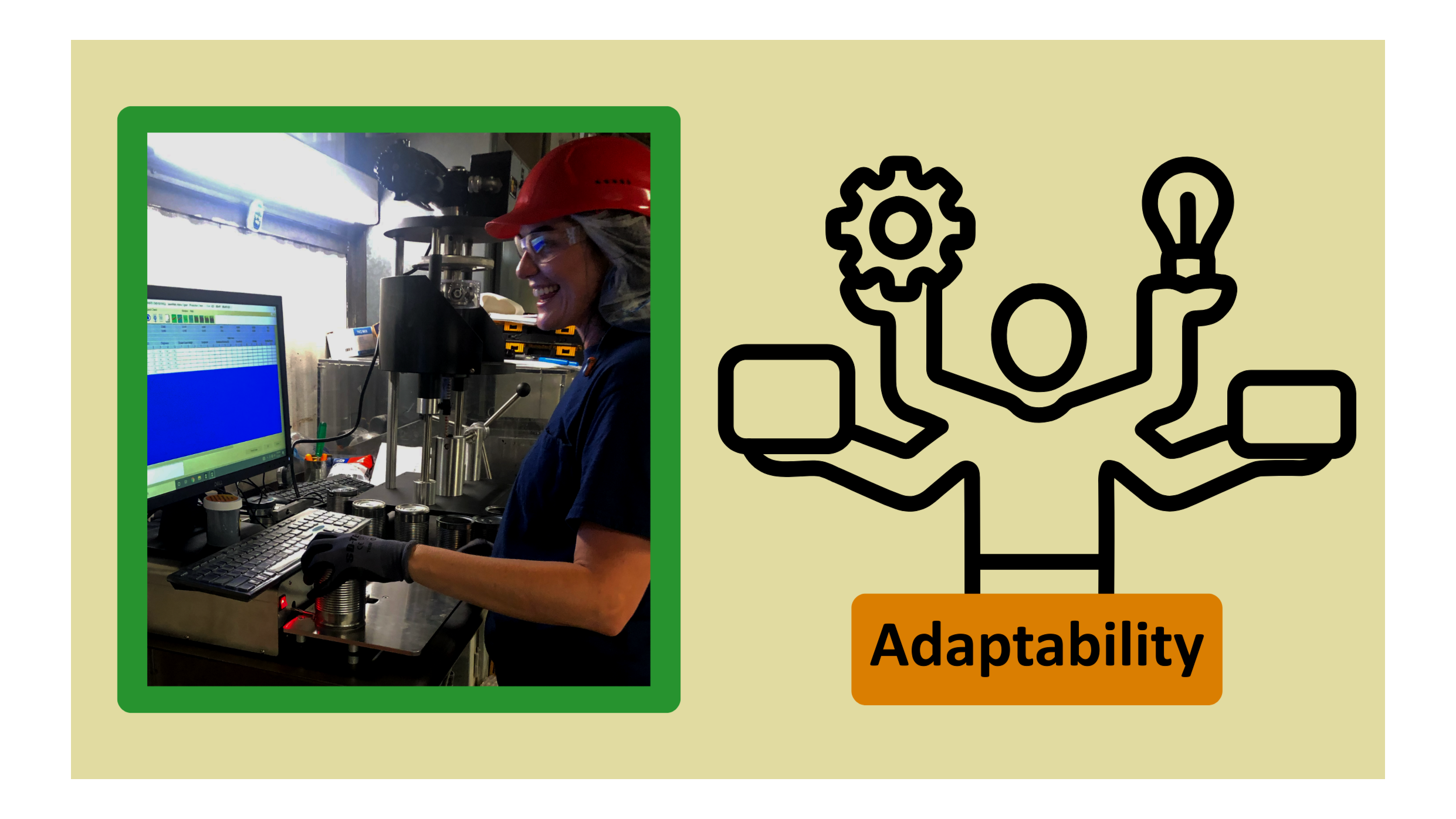
To start this series, the first category is Adaptability - Will this system actually work in my facility?
Can the system integrate into our current quality and compliance workflow?
To maintain workflow efficiency, a seam inspection system must integrate seamlessly into your inspection environment. This integration allows you and your team to complete inspections in a timely manner while allowing authorized personnel quick and easy access to reports. This is exceptionally true if you plan to scale up production, meaning your inspection equipment should be able to support more advanced workflows over time.
In response, OneVision’s seam inspection systems are built with software designed to integrate into your network and workflow. For example, the SeamMate system includes an optional software upgrade, SeamManager, which provides network-wide access to inspection reports, seam images, and digital signature capabilities. Not only that, SeamMate software is also regularly updated with new features based on customer feedback to continuously improve the user experience.
How easy is it to train new operators and maintain consistency across shifts?

Having an effective training program for new operators is integral to your operation. If training is too slow or inconsistent, workflow productivity can suffer, in part due to time spent re-training both current and new operators. Additionally, poor training can lead to increased human errors during inspection, resulting in inaccurate measurements. As such, be sure to ask the manufacturer about the training program, as well as the materials and resources that are available for the equipment.
OneVision always includes system training with installation and startup of its equipment. It typically requires one full-day session and includes training for up to four people per shift. Additionally, a dedicated Training page is regularly updated with the latest resources to help both new and current operators stay aligned with best operating practices for OneVision’s seam inspection systems.
Will this system help us spot and troubleshoot seam problems fast?
Speed is a core component of adaptability. Understanding how quickly the system can perform will help you spot and troubleshoot seam problems in a timely manner. That means the system should not require excessive time to set up, capture, and analyze data inputs to deliver the results you need. In addition to speed, the system should be adaptable to external factors and changes as you scale your operations.
OneVision has continuously strived to develop inspection equipment that identifies and troubleshoots seam problems efficiently and accurately. This includes patented technology that automatically calculates seam tightness, innovative turnkey seam inspection systems, and inspection solutions designed for a wide range of applications.
A strong example is the SeamMate system’s video module. Designed to measure both seam thickness and project a live camera view of the slotted can seam, the video module can capture, analyze, and present seam measurements with just a click of a button. It also requires minimal set up before you can start measuring. Regular calibration is recommended to maintain accuracy, and the calibration process itself is quick and easy to perform.
Does the system work across different cans, ends, and products?
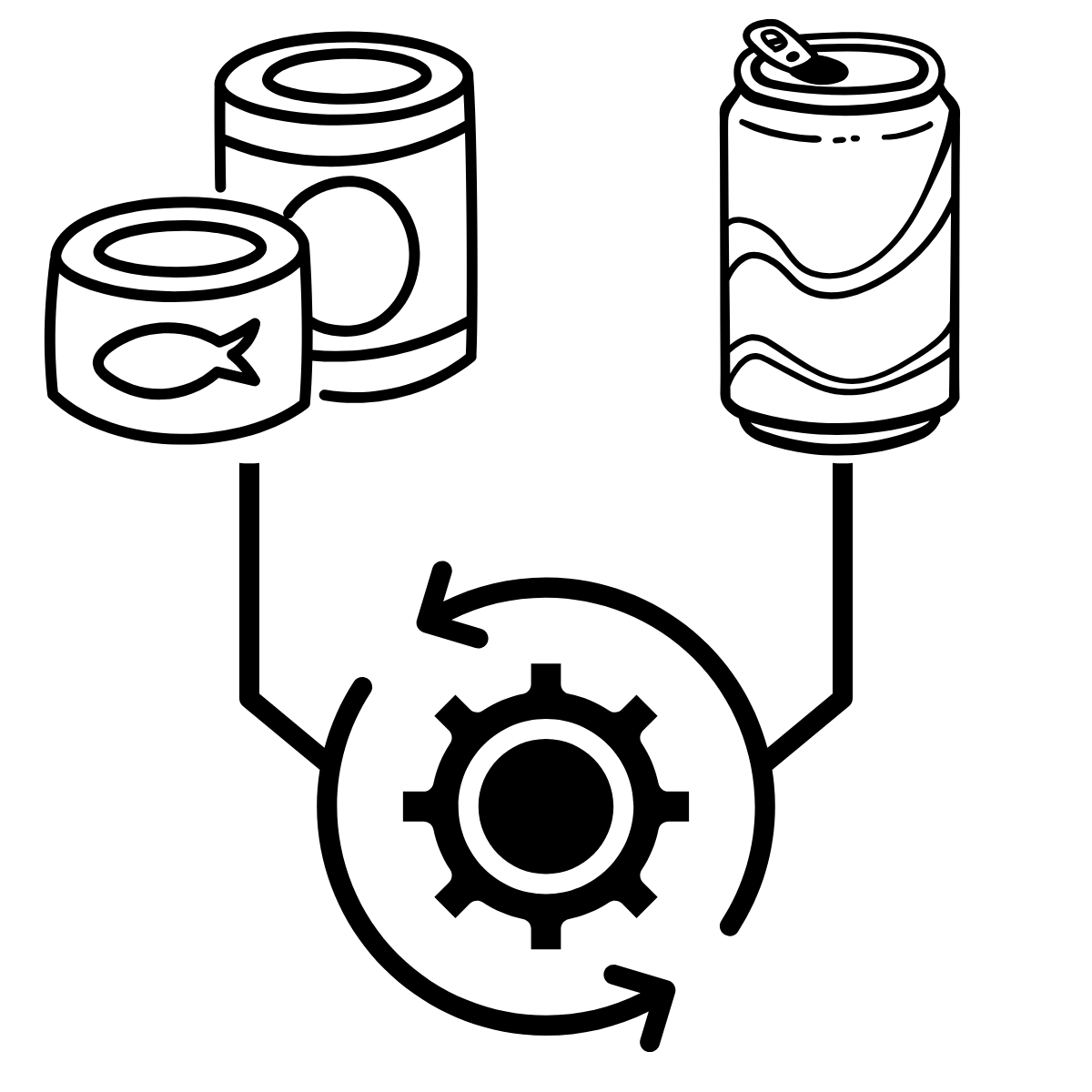
Having a system that works across different cans and products is both a time- and cost- saving measure. You shouldn’t have to invest in multiple tools that each perform a single function when those capabilities can be incorporated into one system to reduce downtime, especially if you plan to scale your production.
OneVision’s inspection systems can function across different cans and products, but to an extent. It often depends on whether your cans are for food or beverage. For example, our Manual Seam Saw offers two configurations: the Model 550 is designed for cutting food cans, while the Model 555 is ideal for cutting beverage cans. For this reason, when considering inspection system solutions, be sure to identify which model is best suited for your specific application.
In Conclusion
Adaptability is a core foundation of any effective seam inspection system. To reduce potential bottlenecks, measurement inconsistencies, and inaccurate results, it’s important to invest in an inspection system that can adapt within your operation. As you research and evaluate your options, make sure to ask the manufacturer questions like those outlined in this article so you make the right investment.
In the next article, we’ll explore “Usability - Is the system easy to live with?” as another key category to consider when purchasing a seam inspection system.